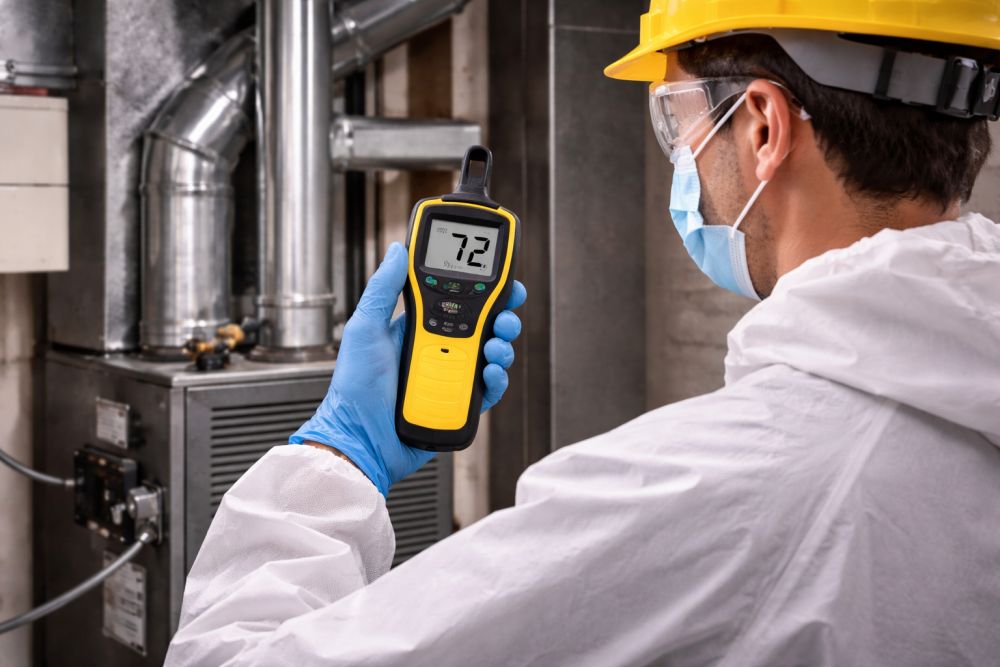
Carbon monoxide (CO) is often called the silent killer because it has no colour, smell or taste. It is produced whenever fuel burns incompletely, and in an enclosed space it can build up to dangerous levels without warning. Carbon monoxide testing and working alarms are the best ways to protect your household.
Common Sources of Carbon Monoxide at Home
- Gas furnaces, boilers and water heaters
- Gas ranges and ovens, especially without proper ventilation
- Wood-burning and gas fireplaces with blocked or damaged chimneys
- Vehicles running in attached garages
- Portable generators, heaters or barbecues used indoors
Symptoms of Carbon Monoxide Exposure
Early symptoms are often mistaken for the flu:
- Headache, dizziness and nausea
- Fatigue, weakness and confusion
- Shortness of breath
- Symptoms that improve when you leave home
If a CO alarm sounds or you suspect poisoning, leave the building immediately and call 911.
Health Canada Guidelines
Health Canada's Residential Indoor Air Quality Guidelines for carbon monoxide are 10 ppm averaged over 24 hours and 25 ppm averaged over one hour. Healthy homes typically read far below these levels. Any consistent reading above background levels deserves investigation.
CO Alarms: Your First Line of Defence
Install CO alarms near sleeping areas and on every level of your home, especially if you have fuel-burning appliances or an attached garage. Test alarms monthly and replace them according to the manufacturer's recommended lifespan, often around seven to ten years.
When to Get Professional CO Testing
- Your CO alarm has gone off, even briefly
- Household members have unexplained headaches or nausea at home
- You notice soot, yellow flames or excess condensation around appliances
- You are buying an older home with gas appliances
- Your building has an underground or attached parking area
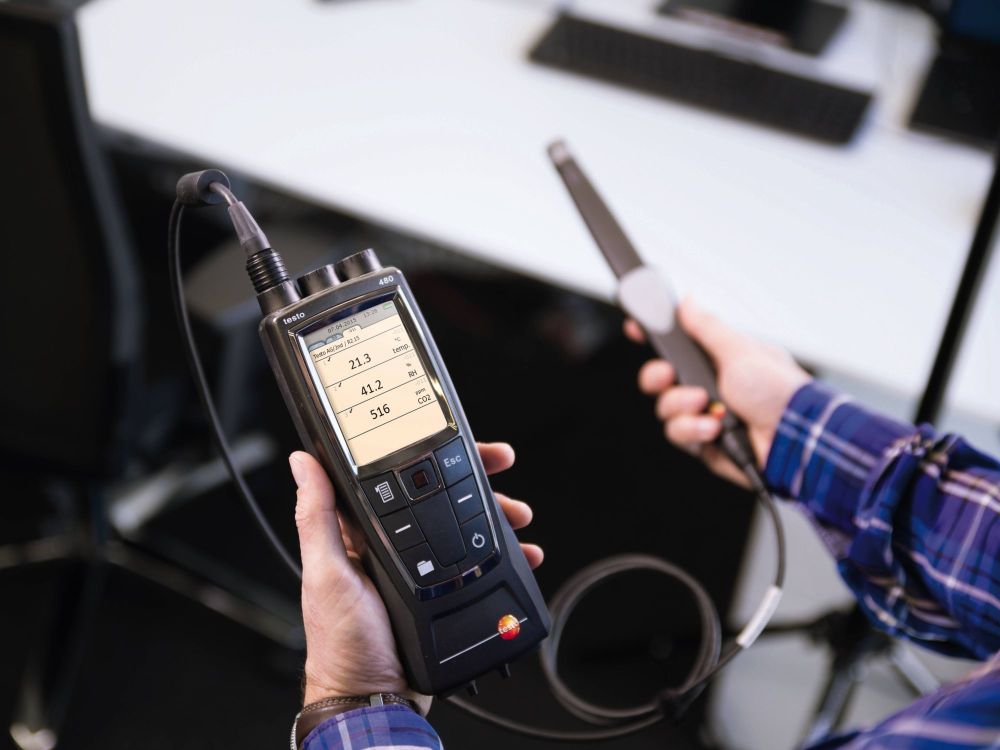
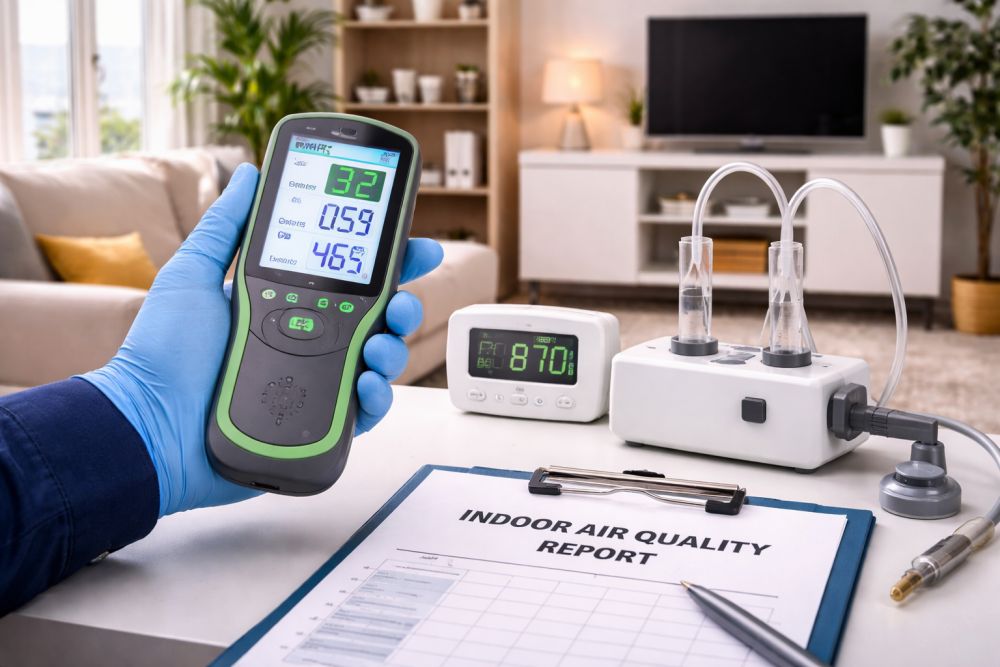
Professional testing uses calibrated instruments to measure CO around appliances, living areas and garages, and helps identify the source. Learn more on our carbon monoxide testing service page.
Preventing Carbon Monoxide Problems
- Have furnaces, water heaters and fireplaces inspected annually by a licensed gas technician
- Never run vehicles or generators in garages, even with the door open
- Keep vents and chimneys clear of debris, snow and nests
- Use range hoods that vent outdoors when cooking with gas
CO vs CO2: What Is the Difference?
Carbon monoxide is a toxic gas from combustion. Carbon dioxide is what we exhale and is mainly an indicator of ventilation. Read our CO2 testing guide to learn more.
Frequently Asked Questions
Do smoke alarms detect carbon monoxide?
Only combination smoke and CO alarms do. Check the label to be sure.
Can CO come from a neighbour's unit?
Yes. In condos and townhouses, CO can travel through shared walls, ducts and parking areas.
Where should CO alarms be installed?
Near bedrooms and on each level of the home, following the manufacturer's instructions.
Peace of mind for your family
ACE Environmental provides professional carbon monoxide testing for homes and businesses across Greater Vancouver.
Schedule CO testing or call +1 778-318-9904.