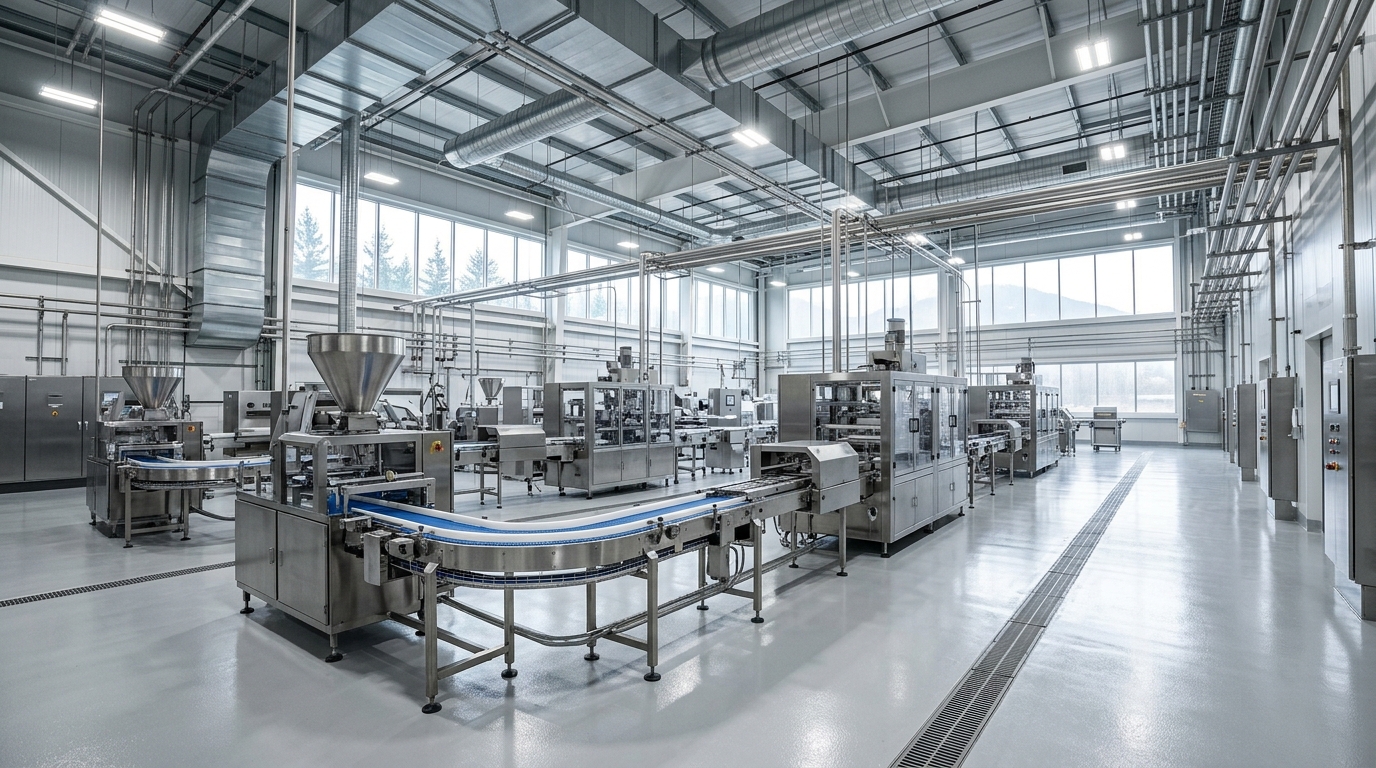
In Metro Vancouver's thriving hospitality and food production sectors, cleanliness extends far beyond washing cutting boards and sanitizing countertops. Food manufacturing plants, commercial kitchens, bakeries, and restaurants operate under rigorous health regulations governed by Vancouver Coastal Health, Fraser Health, and WorkSafeBC. However, invisible environmental threats—including airborne mold spores, elevated combustion gases, volatile organic compounds (VOCs), and legacy hazardous materials—can compromise sanitation protocols, jeopardize business licenses, and harm workers.
Maintaining an impeccably hygienic production space demands comprehensive environmental testing. At ACE Environmental Services Ltd., our team brings over 15 years of experience delivering licensed, insured, and bonded environmental testing across Greater Vancouver. Here is what every facility manager, restaurateur, and commercial property operator needs to know about environmental monitoring and testing within food environments.
The Critical Role of Environmental Testing in Food Preparation Environments
While microbiological food testing focuses on direct product samples to detect pathogens such as Listeria or Salmonella, environmental testing targets the surrounding building ecosystem. Air currents, ventilation ducts, chilled storage units, water lines, and structural substrates directly influence food safety and cross-contamination risks.
If your physical building harbours hidden fungal growth or poor makeup air, contaminated air circulates directly over open food preparation lines. Investing in professional commercial environmental monitoring safeguards your brand reputation, prevents costly inventory recalls, and ensures strict compliance with Canadian food safety frameworks.
Key Environmental Hazards in Commercial Food Facilities
1. Fungal Spores and Walk-In Cooler Mold
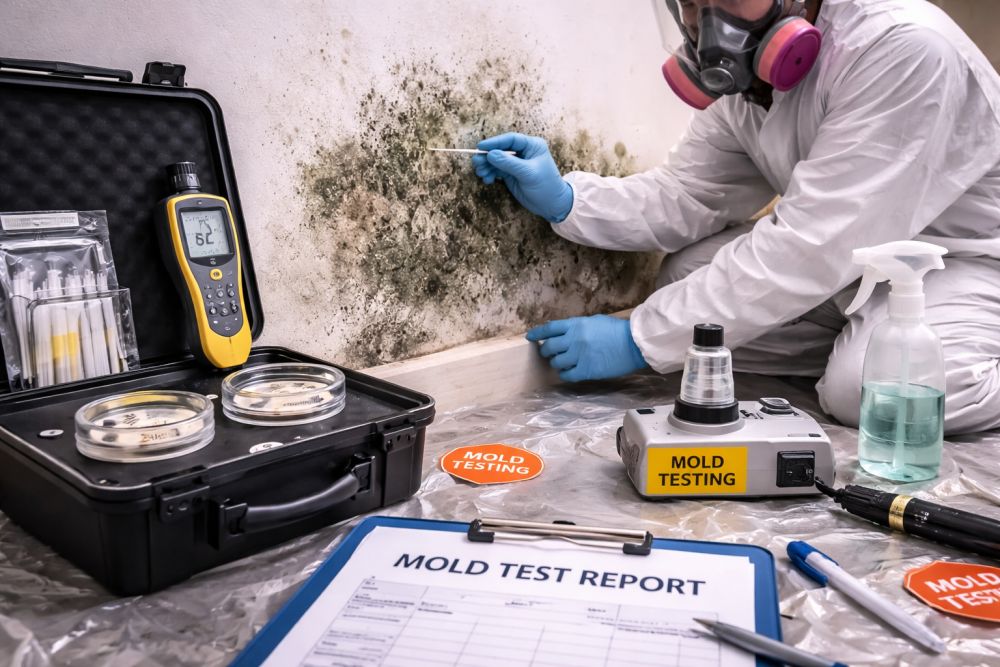
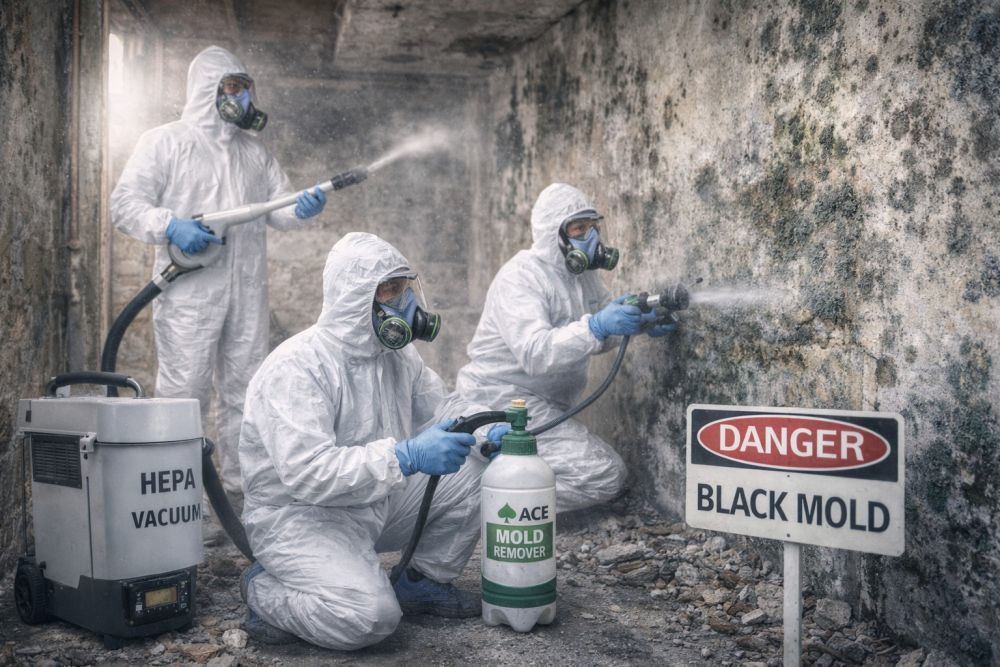
Commercial refrigeration units, dish pits, food prep lines, and floor drains provide optimal dampness and humidity for fungal proliferation. Mold in food facilities introduces mycotoxins and viable spores into indoor air, rapidly contaminating stored produce, dry ingredients, and packaging supplies. Through specialized commercial mold testing, environmental specialists identify spore counts, surface colonization, and moisture ingress before an inspector issues a violation. If extensive growth is confirmed, professional mold removal services ensure containment without dispersing contaminants across production lines.
2. Carbon Monoxide and Combustion Byproducts
Commercial kitchens rely heavily on intense gas burners, woks, convection ovens, and charbroilers. Inadequate ventilation hood capture or malfunctioning exhaust flues can trigger sudden buildups of dangerous combustion gases. Routine carbon monoxide testing ensures that makeup air systems operate smoothly and kitchen personnel remain safe from carbon monoxide poisoning, fatigue, and occupational risks. You can read more about combustion hazards in our guide on carbon monoxide testing and safety protocols.
3. VOCs and Chemical Off-Gassing
Food production facilities utilize industrial degreasers, sanitizers, floor epoxies, and refrigeration coolants. Without balanced makeup air, harsh chemical vapors linger in the workspace. Targeted VOC testing identifies whether ambient chemical concentrations exceed occupational exposure thresholds, keeping both employees and unwrapped food items protected from chemical absorption.
4. Indoor Air Quality and Airborne Particulates
High-heat frying, charring, and flour dusting introduce dense fine particulate matter (PM2.5 and PM10) into the indoor atmosphere. Installing dedicated air monitoring through comprehensive air quality testing and routine indoor air quality assessments ensures that mechanical HVAC filters effectively capture airborne irritants. Discover more in our comprehensive Vancouver guide to indoor air quality.
5. Hazmat Risks During Kitchen Upgrades and Tenant Improvements
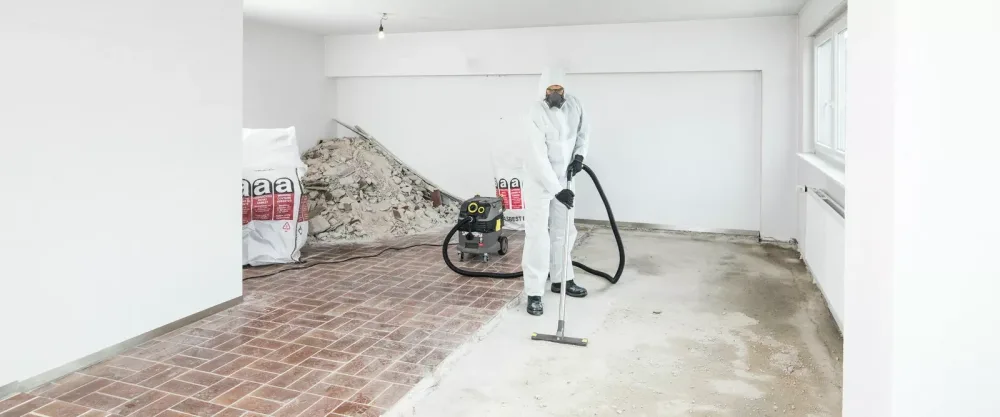
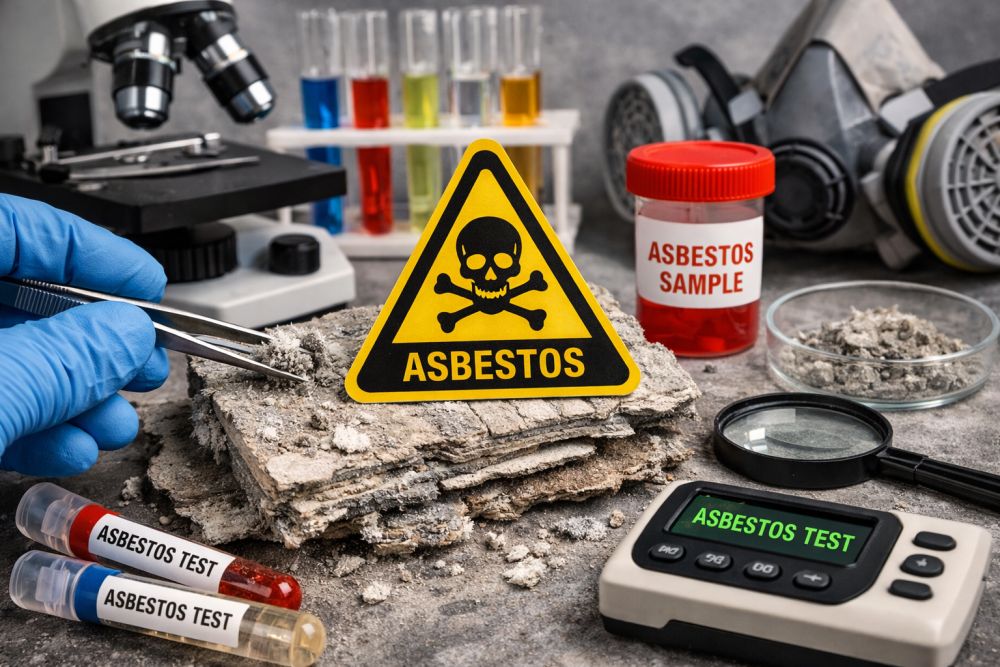
Commercial restaurant spaces in Vancouver change hands frequently, often triggering leasehold improvements, wall removals, or plumbing replacements. Pre-1990 buildings commonly house asbestos in pipe insulation, vinyl floor tiles, drywall joint compound, and fire-rated walls behind cooking lines. WorkSafeBC mandates a comprehensive hazmat surveying inspection prior to disturbing building materials in older properties. Learn more about regional landlord obligations in our article on commercial asbestos management in BC.
How Professional Environmental Facility Assessments Work
When ACE Environmental evaluates a commercial food facility, commissary kitchen, or packaging plant, our licensed technicians follow an exacting protocol:
- Initial Visual and Moisture Survey: We inspect cold-storage seals, processing zones, dry storage, floor sinks, and mechanical rooms using thermal imaging and moisture meters.
- Air and Surface Sampling: Certified technicians collect ambient air samples, non-viable spore traps, VOC canisters, and surface swabs from suspected contamination zones.
- Accredited Laboratory Analysis: All physical samples are handled under strict chain-of-custody protocols and analyzed by third-party CALA/NVLAP-accredited laboratories.
- Detailed Environmental Health Report: We provide an actionable written report outlining identified hazards, clearance parameters, and precise remediation recommendations to maintain regulatory compliance.
Protecting Your Food Business and Regulatory Standing
A failed municipal health inspection or WorkSafeBC stop-work order can cost thousands of dollars in lost revenue, wasted inventory, and brand damage. Proactive testing allows property managers and food business operators to uncover subtle moisture intrusions, exhaust imbalances, and hidden contaminants before they escalate into structural damage or public health emergencies. Explore our guide on mold following commercial water leaks to understand how quickly damp environments can become compromised.
Frequently Asked Questions
Why do commercial kitchens in Vancouver need environmental mold testing?
Commercial kitchens produce substantial steam and humidity daily. Condensation frequently builds inside walk-in refrigeration units, ceiling tiles above dish pits, and behind stainless steel splashbacks. Mold testing verifies whether airborne spores threaten food hygiene standards or employee respiratory health.
Does WorkSafeBC require hazmat testing before renovating a restaurant space?
Yes. In British Columbia, any commercial property renovation, kitchen overhaul, or demolition requires a qualified hazmat survey if the building material could contain asbestos, lead paint, or other regulated materials. Failing to test prior to disturbing walls, floors, or ceiling assemblies can result in heavy administrative penalties.
What is the difference between food product testing and environmental facility testing?
Food product testing analyzes raw ingredients or prepared dishes for bacterial pathogens like E. coli. Environmental facility testing inspects the building envelope, mechanical air systems, moisture levels, surface contamination, and ambient chemicals to guarantee that the physical facility itself does not cross-contaminate food or endanger workers.
How quickly can ACE Environmental deliver commercial testing results?
Our team provides rapid scheduling throughout Metro Vancouver, the Fraser Valley, and surrounding areas. Standard laboratory analysis typically takes 2 to 3 business days, with rush turnaround options available for urgent commercial property inspections or emergency situations.
Secure Your Food Facility's Environmental Safety
Partner with ACE Environmental Services Ltd., 5-time Consumer Choice Award winners in Greater Vancouver, for reliable commercial air quality, mold, and hazardous materials testing.
Request a free quote or call +1 778-318-9904.