Finding mold in your home is stressful, especially when it keeps coming back after cleaning. Effective mold removal requires fixing the cause, removing contaminated materials safely and confirming the space is clean. Here is how a professional remediation project works in Greater Vancouver.
When Should You Call a Professional?
Health Canada suggests that small patches of mold, smaller than about one square metre, can often be cleaned by a homeowner. Larger areas, roughly more than three square metres, mold that returns after cleaning, or mold caused by sewage or major flooding should be handled by trained professionals. Professional help is also wise if anyone in the home has asthma or a weakened immune system.
Step 1: Inspection and Testing
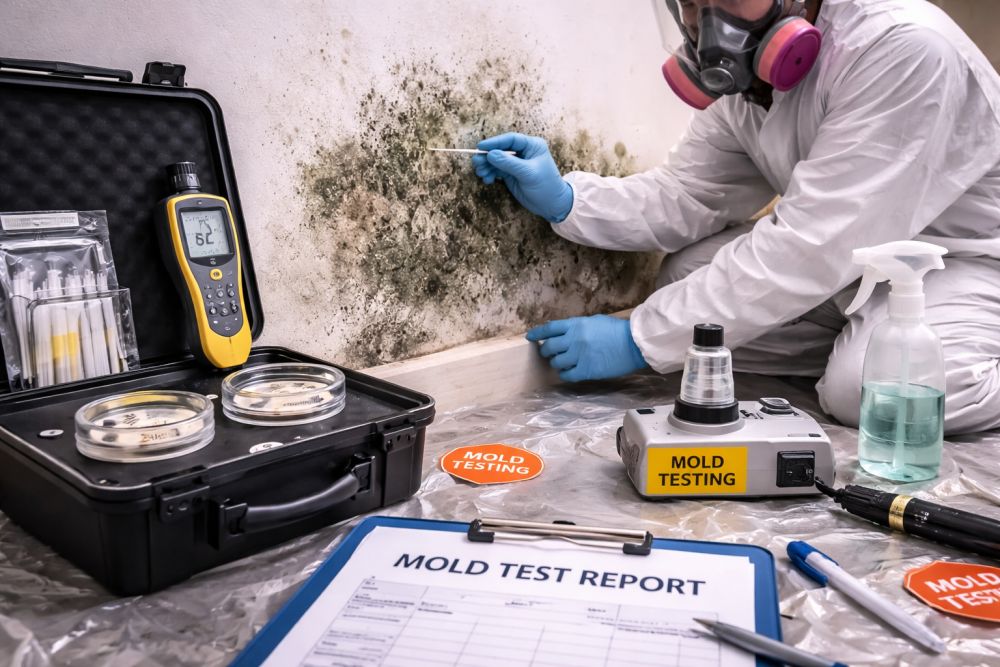
Remediation should start with an accurate picture of the problem. Mold testing and moisture mapping show where growth is located, how far it has spread and what is feeding it.
Step 2: Fix the Moisture Source
Mold needs moisture to grow. Plumbing leaks, roof leaks, poor ventilation, condensation or groundwater must be addressed, otherwise mold will return no matter how well it is cleaned.
Step 3: Containment
The work area is sealed off with plastic sheeting and zipper doors. This keeps spores from spreading to clean areas of the home during removal.
Step 4: HEPA Air Filtration
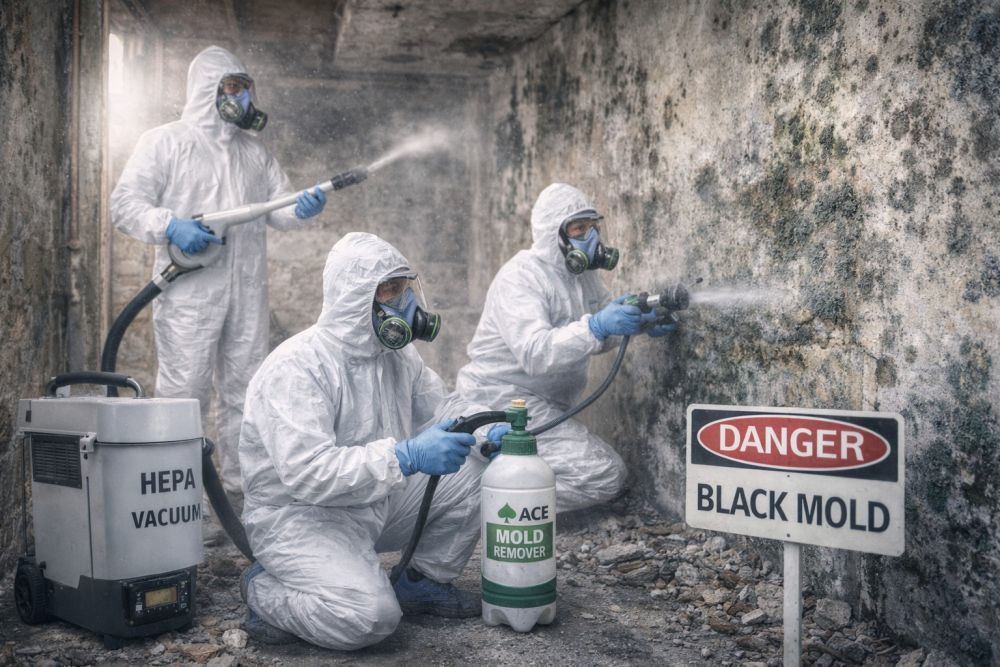
Air scrubbers with HEPA filters create negative pressure inside the containment and capture airborne spores while work is underway.
Step 5: Removal and Cleaning
- Porous materials such as drywall, insulation and carpet with significant growth are usually removed and bagged.
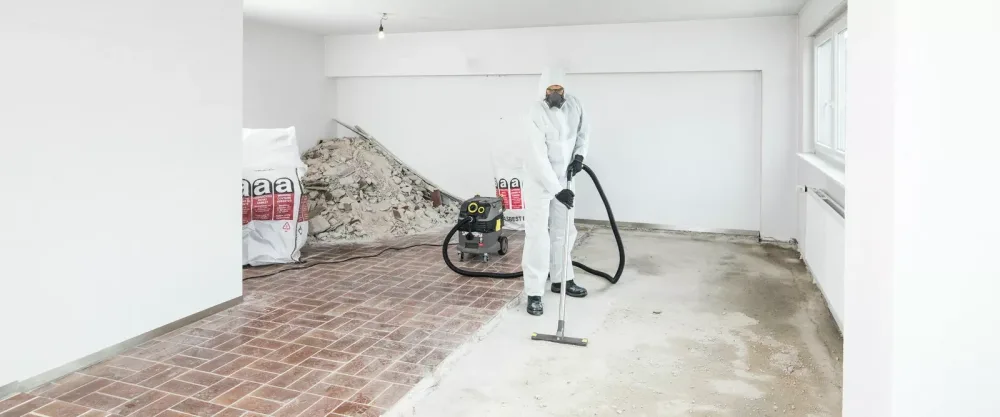
- Non-porous and structural surfaces such as studs, concrete and framing are cleaned with HEPA vacuums and appropriate cleaning methods.
- Drying with dehumidifiers and air movers brings materials back to safe moisture levels.
Step 6: Post-Remediation Verification
Before rebuilding, the area should be inspected and tested to confirm that remediation was successful. This step protects your investment and gives you documentation for insurance or resale.
Common Mold Removal Mistakes
- Painting over mold without removing it
- Relying on bleach for porous materials
- Running fans that spread spores to other rooms
- Rebuilding before materials are fully dry
How to Prevent Mold From Returning
- Keep indoor humidity at roughly 30 to 50 percent
- Run bathroom and kitchen fans during and after use
- Repair leaks promptly and dry wet materials within 48 hours
- Keep gutters and downspouts clear so water drains away from the foundation
Frequently Asked Questions
How long does mold remediation take?
Small projects can take one or two days. Larger projects that involve drying and multiple rooms can take longer.
Will my insurance cover mold removal?
Coverage depends on your policy and the cause. Sudden water damage is more often covered than long-term leaks. Detailed testing reports help with claims.
Do I need to leave home during remediation?
For contained, smaller projects you may be able to stay. For larger jobs or sensitive occupants, temporary relocation is often recommended.
Related reading: 7 signs you need mold testing.
Get rid of mold for good
ACE Environmental provides licensed, insured and bonded mold remediation with clearance testing across Greater Vancouver.