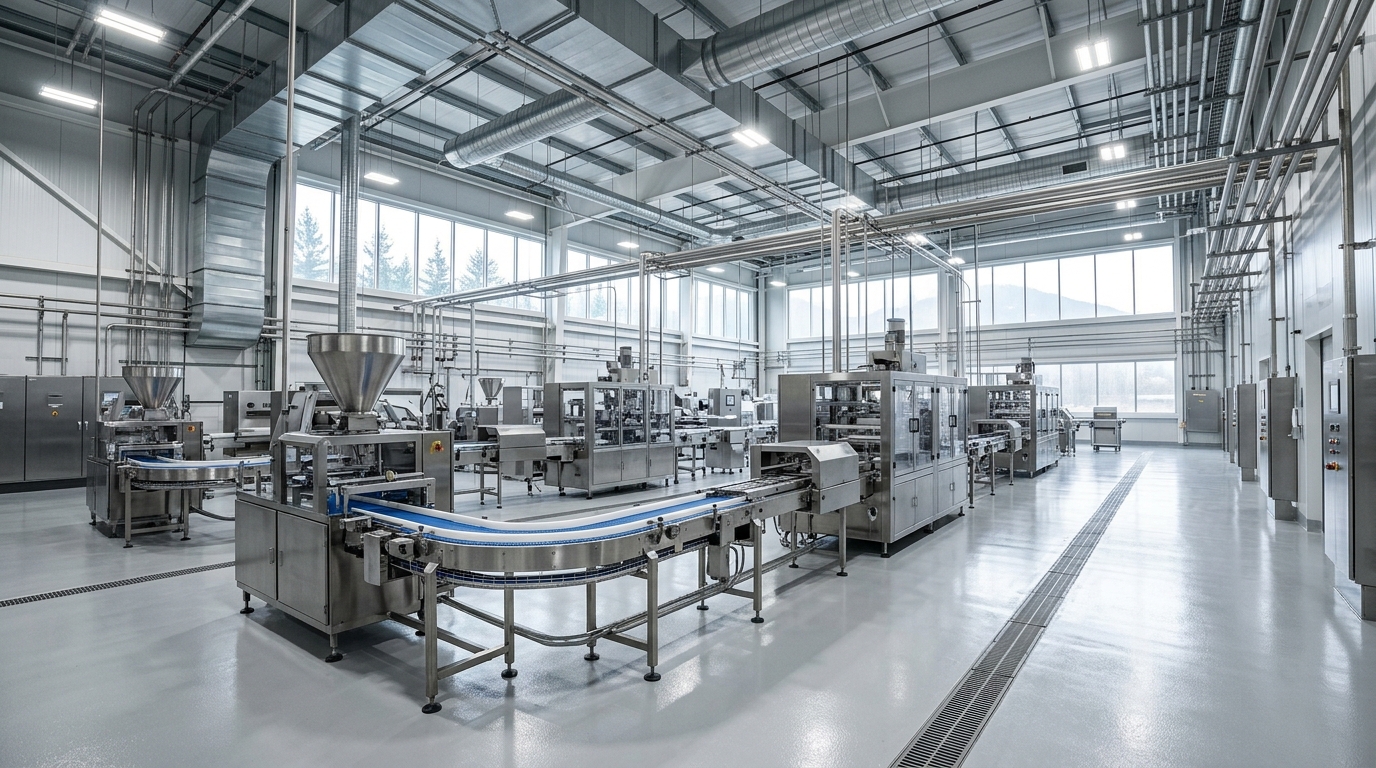
In food processing, packaging, and commercial preparation, product safety and shelf life rely entirely on maintaining a strictly controlled environment. While food quality assurance teams routinely test raw ingredients and finished goods, the ambient environment—the air circulating through packing lines, the moisture gathering in cool-storage bays, and chemical vapors from industrial cleaning—can introduce severe biological and chemical hazards if left unmonitored. For food manufacturers across Metro Vancouver, professional environmental testing provides the scientific baseline required to protect consumer health, satisfy regulatory audits, and prevent catastrophic product recalls.
Whether you operate a commercial bakery in Burnaby, a craft brewery in East Vancouver, or a cold-storage distribution hub in Richmond, ambient air and surface conditions directly affect your sanitary perimeter. At ACE Environmental Services Ltd., our team brings over 15 years of field experience helping commercial and industrial clients pinpoint airborne hazards, control moisture reservoirs, and maintain rigorous sanitary standards.
The Intersection of Environmental Quality and Food Safety
In British Columbia, food processing operations fall under the regulatory scrutiny of the Canadian Food Inspection Agency (CFIA) and local authorities such as Vancouver Coastal Health and Fraser Health. Compliance frameworks like HACCP (Hazard Analysis Critical Control Point) and SQF (Safe Quality Food) mandate proactive verification of facility cleanliness and environmental hygiene.
Environmental testing in food production goes beyond surface sanitation swabs. It evaluates the surrounding envelope, HVAC distribution networks, and indoor atmosphere to ensure that building systems do not compromise food contact zones. A comprehensive environmental assessment identifies invisible vectors of contamination before they manifest as failed shelf-life tests or costly contamination events.
Critical Environmental Hazards in Food Facilities
Food plants present distinct environmental challenges due to constant thermal transitions, persistent moisture, organic residues, and continuous chemical washdowns. Our industrial hygiene surveys routinely focus on several key risk categories:
1. Airborne Mold and Fungal Spores
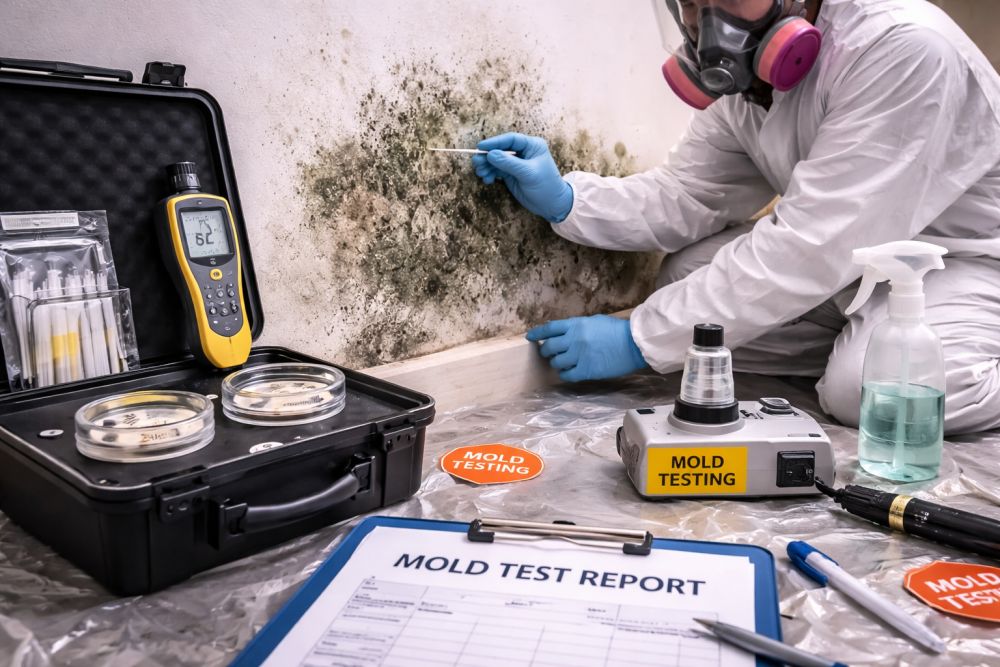
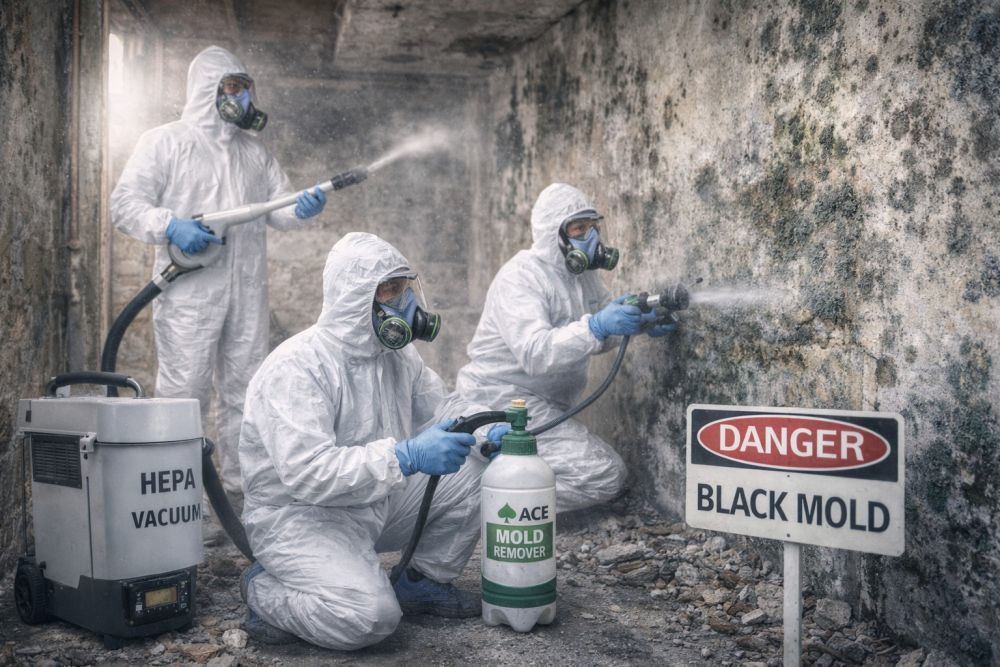
High relative humidity, daily washdown protocols, and steam-generating equipment create prime breeding conditions for fungal colonies. In areas like packaging lines, ripening rooms, and cold storage, airborne spores settle directly onto open food surfaces and packaging materials. Species such as Penicillium, Aspergillus, and Cladosporium can accelerate spoilage, compromise modified atmosphere packaging (MAP), and pose health hazards to line workers. Conducting specialized mold testing identifies baseline spore levels, isolates hidden growth behind insulated wall panels or above false ceilings, and confirms air handling filtration efficiency. If active contamination is discovered within building substrates, prompt and contained mold removal is critical to protect your brand from shut-downs.
2. Chemical Off-Gassing and VOCs
Food plants use aggressive clean-in-place (CIP) chemicals, degreasers, antimicrobial sanitizers, and adhesive sealants for packaging. Without engineered exhaust ventilation, volatile chemical residues accumulate in the indoor air. Targeted VOC testing verifies that sanitizing agents such as peracetic acid, quaternary ammonium compounds, and chlorine derivatives clear production spaces before packaging runs commence. Minimizing VOC exposure also protects the sensory profile of sensitive food items, which readily absorb chemical taints from ambient air, as discussed in our guide on VOC testing and chemical exposure.
3. Carbon Dioxide and Ventilation Inefficiencies
Carbon dioxide is commonly utilized in beverage bottling, MAP packaging, flash freezing, and dry ice handling. When refrigeration systems leak or ventilation systems fail to deliver sufficient fresh outdoor air, CO2 concentrations rise swiftly. Elevated CO2 impairs worker alertness, decreases operational safety, and points to broader ventilation inadequacies. Utilizing professional carbon dioxide testing ensures your make-up air systems meet WorkSafeBC standards and optimize facility air turnover. You can learn more about how air balancing impacts staff health in our article on carbon dioxide testing and commercial ventilation.
4. Particulate Matter and Cross-Contamination
Powdered ingredients like flour, starches, and seasonings generate fine airborne particulate dust. If HVAC filtration is undersized or poorly maintained, this dust recirculates through the facility, settling across clean zones and elevating cross-contact allergen risks. Detailed indoor air quality testing measures particulate fractions (PM2.5 and PM10), verifying that air barriers and pressure differentials between clean and raw processing zones function as engineered.
Testing Protocols: How Environmental Specialists Evaluate Food Facilities
Professional environmental audits use precise sampling methodologies to generate non-biased, defensible data for your quality assurance records:
- Bioaerosol Impaction Sampling: Using calibrated volumetric air samplers, specialists draw ambient air directly across nutrient agar plates to measure viable fungal and bacterial colonies, expressing counts in colony forming units per cubic metre (CFU/m³).
- Surface Lift & Swab Analysis: Micro-vacuum cassettes, sterile swabs, and tape lifts assess non-food contact surfaces, structural steel, cooling coils, and air dampers for microbial accumulation.
- Photoionization & Gas Sensor Monitoring: Direct-read photoionization detectors (PIDs) quantify total VOC levels in real time to locate chemical leaks or monitor clearance after sanitation shifts.
- Thermal & Moisture Mapping: Infrared thermography scans ceiling cavities and insulated sandwich panels (PIR/PUR) to locate thermal bridges, condensation entrapment, and covert moisture leaks that foster microbial growth.
For operations expanding their facilities or moving into older commercial buildings across Vancouver, our earlier analysis on environmental testing in commercial food facilities highlights how building-level diagnostics protect long-term capital investments.
Facility Upgrades and Pre-Construction Hazardous Material Surveys
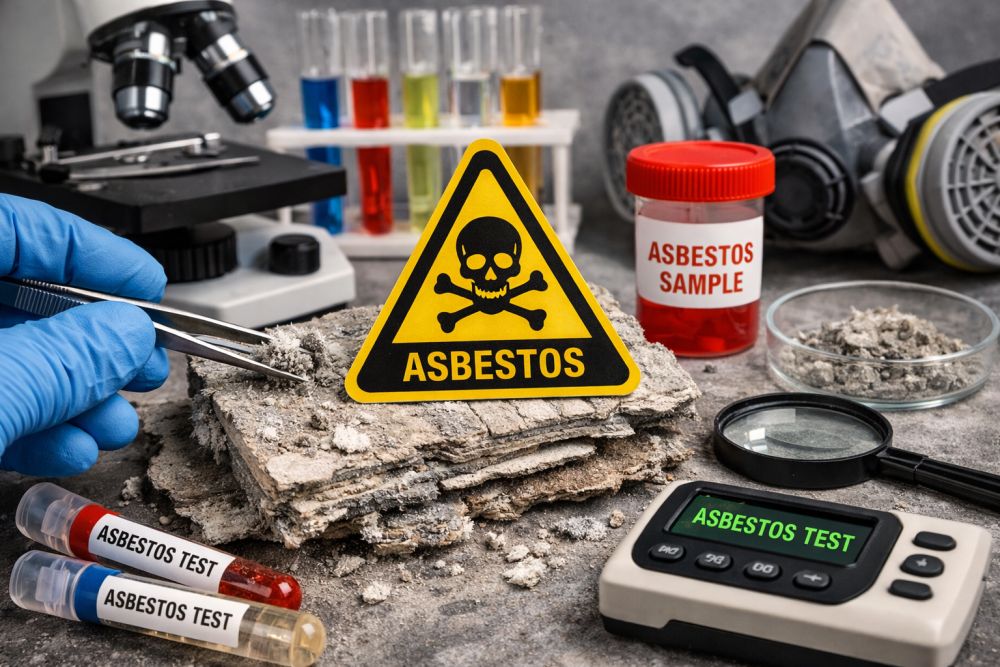
Food production facilities frequently undergo layout modifications, cold-room expansions, and equipment upgrades. When renovating food manufacturing buildings constructed prior to 1990 in Metro Vancouver, WorkSafeBC requires an initial hazardous materials inspection. Pipe insulation, boiler gaskets, floor tiles, and drywall joint compounds often contain asbestos, while structural steel and vintage equipment coatings may feature lead-based paint.
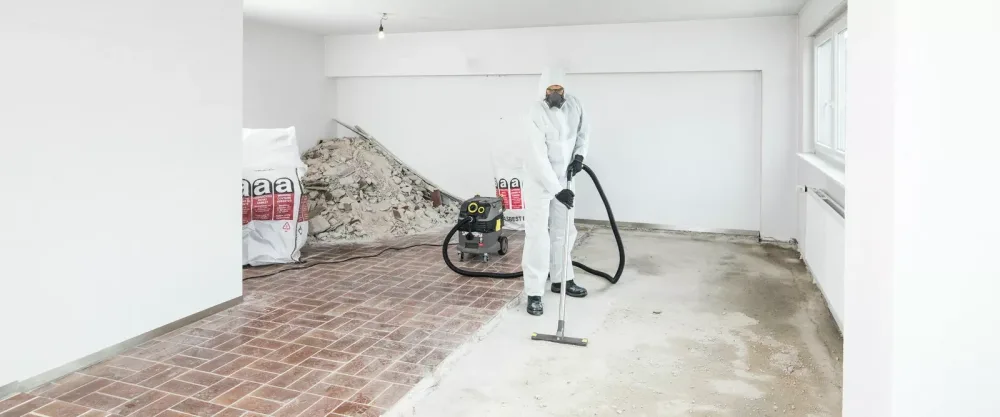
Commissioning a complete hazmat surveying assessment prior to plumbing or structural alterations ensures that hazardous dust is never released into active food zones, preventing expensive stop-work orders and product contamination.
Frequently Asked Questions
Why should a food facility test ambient air if finished products pass laboratory checks?
Finished product testing only catches contamination after it has occurred, potentially resulting in quarantined lots, wasted inventory, and brand damage. Environmental testing acts as an early-warning preventive control, identifying airborne mold spikes and ventilation breakdowns before microbial contaminants settle onto products or packaging surfaces.
How often should environmental air sampling be conducted in food facilities?
Most accredited food safety management programs (such as SQF and BRCGS) recommend quarterly environmental air monitoring in high-hygiene packaging zones, with semi-annual or annual testing in secondary dry storage zones. Additional testing should always occur after major maintenance, HVAC overhaul, deep cleanings, or structural water leaks.
Can environmental testing help with off-flavour and odour complaints?
Yes. Many odour complaints stem from trace volatile organic compounds (VOCs), solvent fumes, or fungal metabolites (MVOCs) present in the processing atmosphere. Comprehensive air testing pinpoints specific compound classes, enabling maintenance engineers to isolate chemical sources or correct negative air pressure imbalances.
What documentation will our quality assurance team receive after testing?
Following testing, you receive a comprehensive environmental report detailing sampling locations, laboratory-certified spore and gas concentrations, comparison against industry hygiene benchmarks, and actionable engineering recommendations. This document is fully accredited for presentation to CFIA inspectors, health officers, and third-party auditors.
Protect Your Food Processing Facility With Certified Environmental Testing
ACE Environmental Services Ltd. provides certified indoor air quality, mold, and chemical vapor assessments across Metro Vancouver. As a licensed, insured & bonded team and 5-Time Consumer Choice Award Winner, we help food processors maintain audit-ready environments.
Request a free quote or call +1 778-318-9904.