When people think about life in Metro Vancouver, they often envision crisp coastal air, lush rainforests, and mountain vistas. However, British Columbians spend approximately 90 percent of their daily lives indoors—whether working in offices downtown, commuting, or relaxing in their homes. While outdoor air quality in the Lower Mainland is frequently monitored, the air circulating inside our residences and commercial properties can be up to five times more polluted than the air outside.
Understanding what influences indoor air quality (IAQ) in Greater Vancouver is vital for homeowners, tenants, and facility managers alike. From moisture-driven microbial growth during rainy winters to off-gassing construction materials and trapped particulates, your indoor environment directly impacts your respiratory health, energy levels, and long-term well-being.
Why Vancouver Homes Face Unique Air Quality Challenges
Vancouver’s temperate, coastal rainforest climate presents distinct environmental dynamics that directly influence building biology and indoor air dynamics. In particular, two primary regional factors come into play:
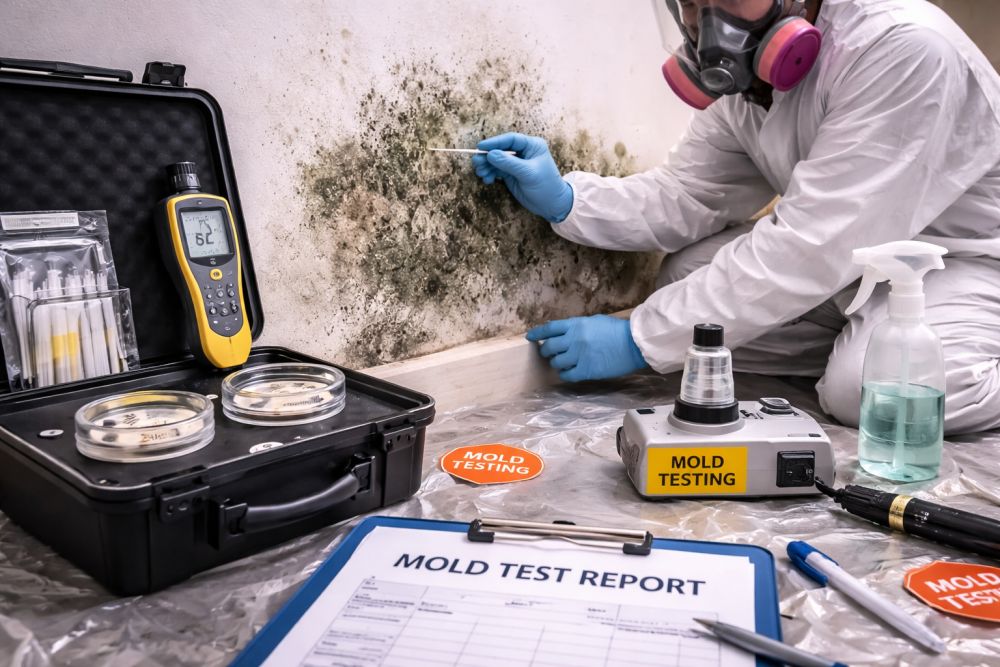
- High Relative Humidity and Prolonged Rainfall: From October through April, sustained outdoor humidity levels routinely hover above 80 percent. Without proper mechanical ventilation, everyday indoor activities—such as cooking, showering, and drying clothes—raise interior humidity, creating prime conditions for hidden fungal growth. Professional mold testing services often reveal elevated airborne spore counts behind drywall, inside crawlspaces, and under subfloors long before visible colonies appear.
- Air-Tight Building Envelopes: Modern construction standards under the BC Energy Step Code and city green building bylaws have produced exceptionally well-sealed homes, townhouses, and condos. While air-tight envelopes dramatically improve thermal efficiency and reduce energy bills, they also trap indoor pollutants unless balanced by balanced heat recovery ventilators (HRVs) or energy recovery ventilators (ERVs). Stale air, biological contaminants, and off-gassed chemicals remain trapped indoors rather than dispersing naturally.
For more details on recognizing biological warning signs around your property, explore our guide on the signs you need mold testing in your Vancouver home.
Common Pollutants Compromising Your Indoor Air
Indoor air pollution rarely stems from a single source. Instead, it is typically a complex mixture of particulates, biological agents, and chemical vapors accumulating over time.
1. Volatile Organic Compounds (VOCs)
Volatile Organic Compounds are carbon-based chemicals that evaporate into the air at room temperature. Common sources include fresh interior paints, engineered hardwood flooring, cabinetry adhesives, synthetic carpets, aerosol cleaning products, and dry-cleaned fabrics. Elevated VOC levels can cause headaches, eye and throat irritation, dizziness, and worsening asthma symptoms. Conducting specialized VOC testing is especially critical after major renovations, additions, or when moving into newly finished homes. You can read more about safe transitions in our post on VOC testing after renovations and new home construction.
2. Carbon Dioxide (CO2) and Inadequate Ventilation
While carbon dioxide is non-toxic at moderate ambient levels, elevated indoor concentrations indicate poor fresh air exchange. In crowded bedrooms, tightly sealed home offices, or school classrooms, CO2 levels exceeding 1,000 to 1,200 parts per million (ppm) frequently trigger lethargy, reduced cognitive performance, and morning headaches. Comprehensive carbon dioxide testing measures air exchange rates and confirms whether your mechanical ventilation system meets required ASHRAE building standards.
3. Carbon Monoxide and Combustion Byproducts
Aging gas furnaces, boilers, unvented fireplaces, and attached garages can introduce dangerous combustion gases into your living spaces. Unlike CO2, carbon monoxide (CO) is an odorless, invisible, and lethal gas. Prompt carbon monoxide testing and certified detector placement protect families against mechanical failures, flue blockages, and backdrafting.
4. Fine Particulate Matter (PM2.5) and Seasonal Smoke
In recent years, late-summer wildfire seasons across the British Columbia interior have pushed heavy plumes of PM2.5 particulate matter into the Fraser Valley and Metro Vancouver. These microscopic particles penetrate typical window seals and HVAC filters, settling deep into lung tissue. Review our seasonal advisory on wildfire smoke and indoor air quality in BC to learn how high-efficiency filtration strategies safeguard your indoor environment during air quality advisories.
5. Hazardous Building Materials: Asbestos and Lead
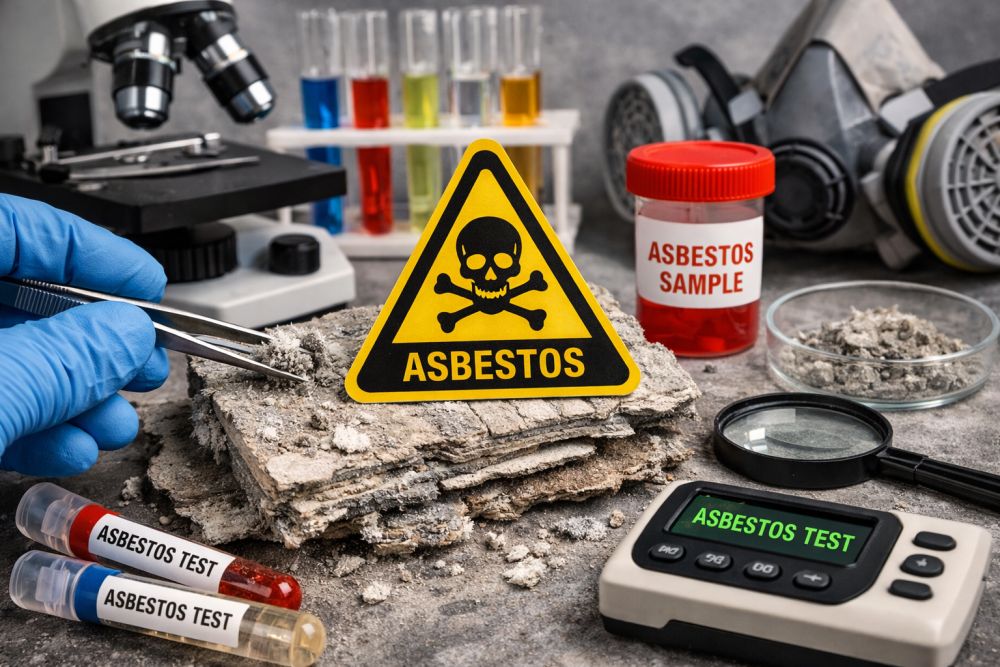
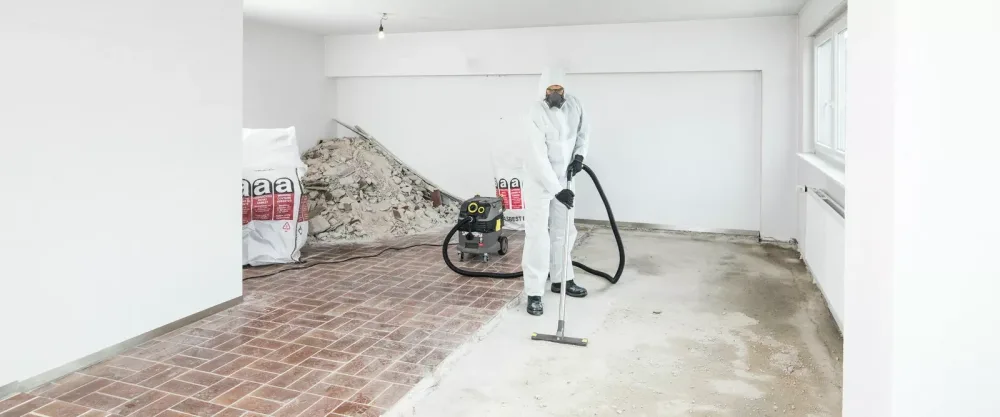
In character properties and mid-century homes built across Vancouver, Burnaby, New Westminster, and the North Shore prior to 1990, disturbing legacy materials during repairs or aesthetic updates can release toxic mineral fibres into the air. Before opening walls, removing vinyl sheet flooring, or disturbing texture coats, arranging accredited asbestos testing is a mandatory safety measure required by WorkSafeBC to protect building occupants and contractors.
Recognizing the Symptoms of Poor Indoor Air Quality
Because airborne pollutants are often invisible, residents frequently notice physical symptoms before identifying an environmental root cause. Pay close attention to patterns in how you and your family feel:
- Symptom Relief Away From Home: Do frequent sinus congestion, dry throats, headaches, or watery eyes improve when you leave for work, go outdoors, or go on vacation? This pattern strongly suggests a localized environmental issue within the property.
- Unexplained Lingering Odors: Musty, earthy smells typically signal hidden fungal activity, while sour, chemical, or plastic-like smells point toward off-gassing building materials or improper VOC venting.
- Frequent Static Electricity or Excessive Dust: Rapid dust accumulation on horizontal surfaces often indicates low air filtration efficiency, poorly maintained ductwork, or imbalanced indoor relative humidity.
- Condensation on Window Panes: Persistent moisture pooling along window frames, sill corners, or cold exterior walls reveals high indoor humidity and insufficient ventilation, creating a breeding ground for mold.
How Professional Air Quality Testing Works
While retail consumer air monitors can provide general real-time trends for basic parameters like temperature or coarse dust, they lack the diagnostic sensitivity, calibration, and laboratory accreditation needed to identify specific hazardous agents. Engaging certified specialists for comprehensive indoor air quality testing delivers verifiable data through an established protocol:
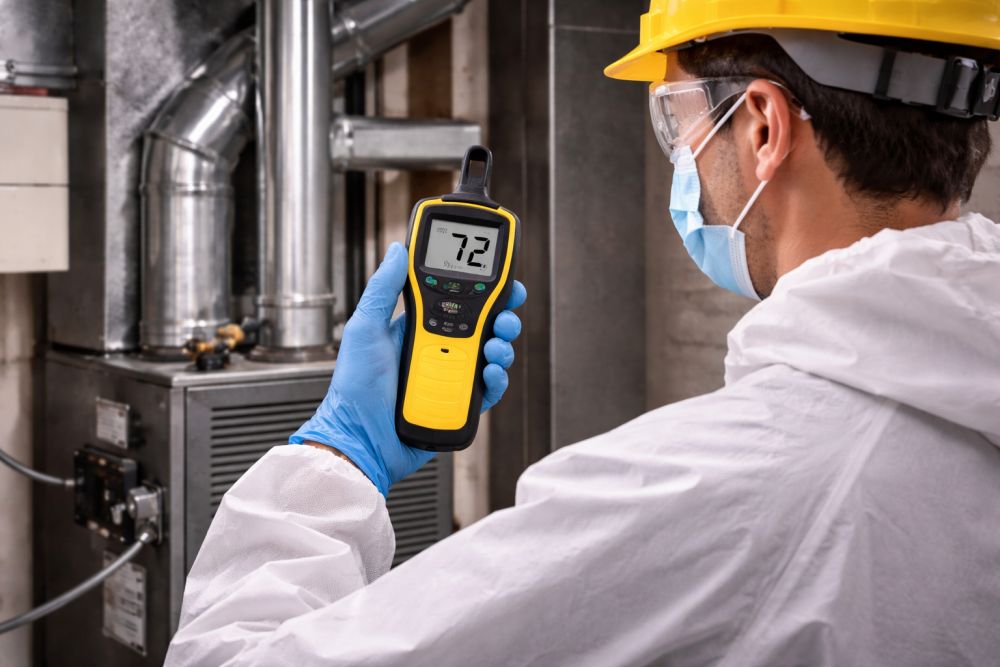
- Visual Assessment & Building History: An experienced environmental technician conducts a room-by-room inspection using thermal imaging cameras and digital hygrometers to trace cold bridging, moisture intrusions, and ventilation pathways.
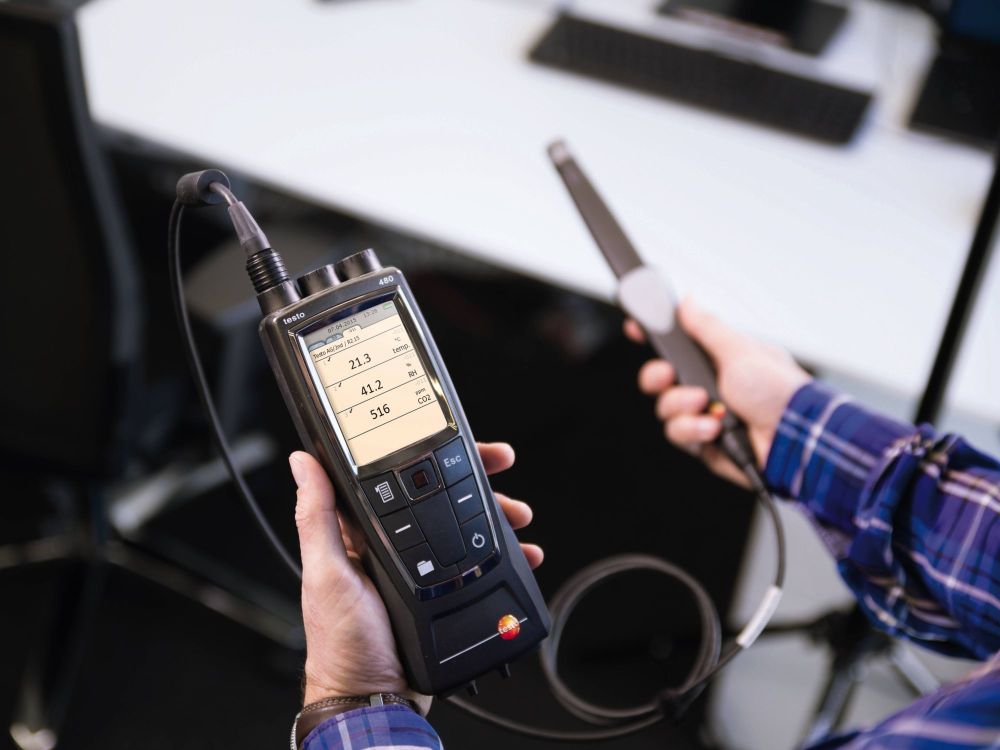
- Direct-Reading Instrumentation: Calibrated photoionization detectors (PIDs), laser particle counters, and toxic gas sensors measure total VOCs, PM2.5, PM10, CO, and CO2 levels in real time across multiple zones.
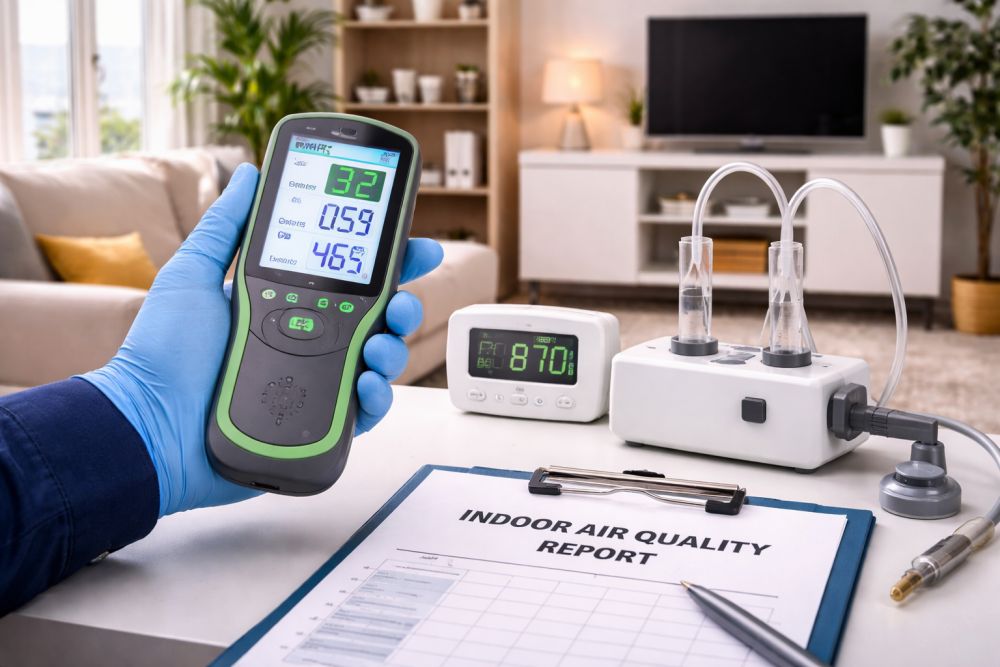
- Air and Surface Sampling: High-volume calibrated air pumps collect biological and chemical samples onto laboratory-grade media, which are delivered under a strict chain of custody to an independent, accredited laboratory for microscopic or chromatographic analysis.
- Actionable Reporting & Remediation Roadmaps: Rather than confusing technical spreadsheets, you receive a clear, plain-language diagnostic report comparing your building’s metrics against Health Canada and WorkSafeBC guidelines, complete with prioritized action steps.
To explore the broader testing scope, check our overview on what gets tested during an indoor air quality assessment.
Actionable Steps to Improve Your Indoor Air Today
While awaiting a formal evaluation or following targeted remediation, implement these straightforward maintenance habits to improve indoor breathing conditions:
- Maintain Balanced Humidity: Keep indoor relative humidity between 35% and 50% year-round using quiet portable dehumidifiers during damp Vancouver winters and running exhaust fans for at least 30 minutes following showers.
- Upgrade HVAC Filtration: Replace standard one-inch fiberglass furnace filters with minimum MERV 11 or MERV 13 pleated media filters, checking and changing them every 60 to 90 days.
- Service Ventilation Equipment: Inspect your HRV or ERV cores annually, vacuum pre-filters, and verify that exterior intake hoods are free of leaf litter, moss, and street debris.
- Choose Low-Emission Products: Look for third-party certifications such as Greenguard Gold, EcoLogo, or zero-VOC ratings when purchasing paints, caulking, cabinetry, and furniture.
Protect Your Space with Metro Vancouver’s Trusted Environmental Experts
Whether you manage a multi-family strata property, operate an office building, or simply want to ensure your family breathes safe, fresh air at home, scientific diagnostic testing provides definitive peace of mind. As a 5-Time Consumer Choice Award Winner serving Greater Vancouver and British Columbia for more than 15 years, ACE Environmental Services Ltd. combines advanced field instrumentation, licensed technical expertise, and personalized client care to identify and solve indoor air challenges quickly.
Breathe Easier with Professional Air Quality Testing
Worried about musty odors, high humidity, chemical fumes, or chronic allergies in your home or workplace? Our licensed, insured, and bonded environmental specialists deliver accurate diagnostic air assessments across Metro Vancouver.
Request a free quote or call +1 778-318-9904.
Frequently Asked Questions
How long does an indoor air quality assessment take?
An on-site diagnostic assessment for an average residential home or commercial suite generally takes between 1.5 and 3 hours. During this period, our technicians conduct visual moisture inspections, continuous direct-reading gas monitoring, and calibrated air sampling. Accredited laboratory analytical results are typically finalized within two to four business days.
Can poor indoor air quality cause long-term health complications?
Yes. Prolonged exposure to elevated airborne contaminants such as toxic mold mycotoxins, volatile chemical vapors, respirable asbestos fibres, and high fine particulate matter (PM2.5) can contribute to chronic bronchitis, triggered asthma attacks, allergic sensitization, and cardiovascular strain over time.
Why should I hire a professional instead of using a hardware store air monitor?
Retail consumer air monitors rely on low-cost metal oxide sensors that indicate general trends but cannot differentiate between harmless household compounds (like cooking citrus) and toxic chemicals. Professional testing utilizes calibrated, laboratory-grade instruments and air cassette sampling to identify specific fungal species, volatile chemicals, and regulated hazardous fibers at parts-per-billion precision.
When is air testing recommended during a renovation?
We recommend testing at two distinct milestones: first, prior to demolition or construction to screen for hazardous materials like asbestos and lead paint; and second, after renovation completion to ensure that airborne dust, flooring adhesives, and fresh paint VOCs have successfully cleared before occupants move in.