A burst pipe, overflowing dishwasher, leaking window or flooded basement can turn into a mold problem surprisingly quickly. In the damp Lower Mainland climate, materials that stay wet for more than a day or two are at real risk. This guide explains what to do after water damage and where mold tends to hide.
How Fast Does Mold Grow After a Leak?
Mold can begin to grow on damp building materials within 24 to 48 hours. Drywall paper, wood, carpet underlay and insulation are especially vulnerable because they absorb water and hold it.
What to Do in the First 48 Hours
- Stop the water: Shut off the supply or address the leak source.
- Make it safe: Turn off electricity in affected areas if water is near outlets or panels.
- Document everything: Take photos and videos for your insurer or strata.
- Remove standing water and wet items such as rugs and cardboard boxes.
- Dry aggressively: Use dehumidifiers and fans, and open wet cabinets and closets.
Where Mold Hides After Water Damage
Basements
Concrete walls, carpeted floors and finished basements with insulation behind drywall can trap moisture for weeks. Musty smells are often the first clue.
Condos and townhouses
Water from one unit can travel through shared walls and ceilings. Hidden moisture behind kitchen cabinets, under flooring and around bathtubs is common after a neighbour's leak.
Crawlspaces
Many Vancouver homes have crawlspaces with exposed soil, limited airflow and high humidity. Mold on joists and subfloors can affect the air in the rooms above.
Attics
Roof leaks and poor ventilation lead to condensation and mold on roof sheathing, often unnoticed for years.
When You Should Get Mold Testing
- Materials stayed wet for more than 48 hours
- You notice a musty odour weeks after the leak
- Water came from a sewer backup or outside flooding
- You need documentation for an insurance claim or strata
- Occupants have new or worsening respiratory symptoms
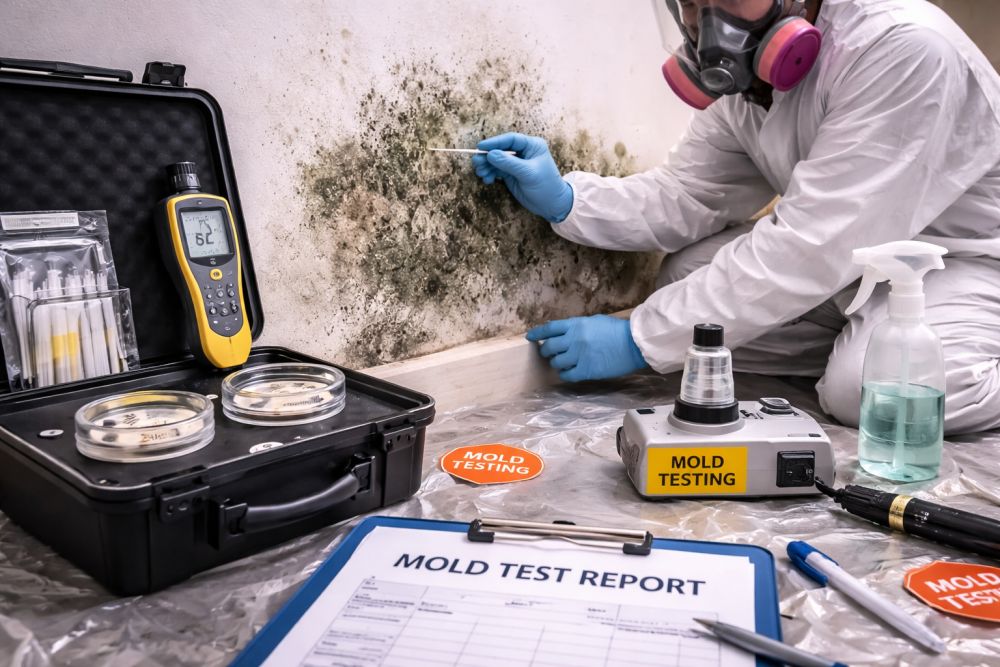
Professional mold testing combines moisture mapping, air sampling and surface sampling to find hidden growth.
Repair Without Trapping Mold
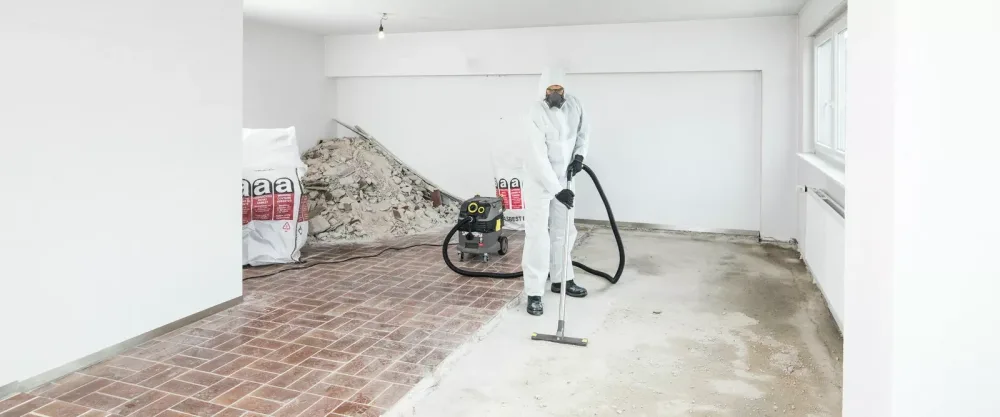
One of the most common mistakes is closing up walls before materials are dry and mold-free. Confirm moisture levels and, if mold was present, complete professional mold removal before rebuilding.
Frequently Asked Questions
Can I tell if drywall is still wet inside?
Not reliably by touch. Moisture meters and thermal imaging are the best way to check.
Who pays for mold in a strata building?
Responsibility depends on your strata bylaws, insurance and where the water came from. Clear testing reports help resolve these questions.
Is mold after flooding more dangerous?
Water from sewers or outdoor floods can carry bacteria as well as mold, so professional clean-up is strongly recommended.
See also: how professional mold remediation works.
Had a leak or flood?
ACE Environmental helps homeowners and strata councils across Greater Vancouver find and fix mold after water damage.
Book an inspection or call +1 778-318-9904.